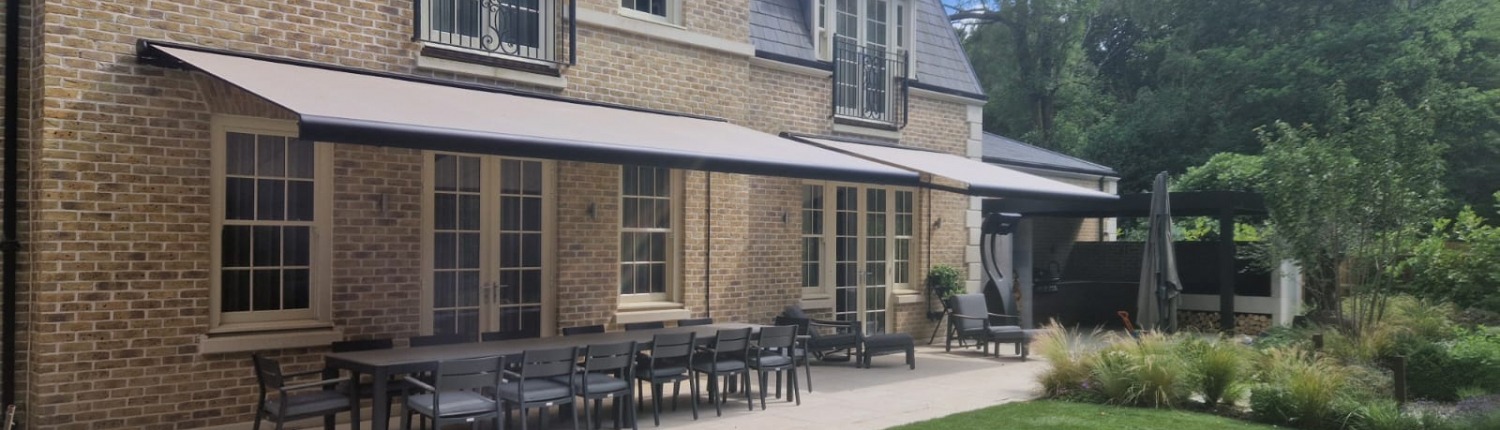
How Awnings Can Be Energy-Saving for Your Home or Business
With energy costs continuing to rise, homeowners and businesses alike are looking for simple, effective ways to reduce their energy use. One often-overlooked solution is the installation of awnings. More than just a stylish addition, awnings can play a significant role in improving energy efficiency and lowering utility bills.
1. Reducing Heat Gain from the Sun
Awnings work by blocking direct sunlight before it hits your windows, doors, or outdoor glazing. In warmer months, the sun can dramatically increase indoor temperatures, forcing air conditioning systems to work harder. By shading windows, awnings can reduce solar heat gain by up to 65% on south-facing windows and even more on west-facing ones.
This means your interior stays cooler naturally, reducing reliance on air conditioning and cutting energy consumption.
2. Lower Air Conditioning Costs
Because awnings help keep indoor spaces cooler, they directly reduce the workload on air conditioning units. This not only lowers electricity bills but also extends the lifespan of HVAC systems by reducing wear and tear.
For commercial buildings such as shops, cafés, and offices, this can result in noticeable savings over the summer months—especially in spaces with large windows or glass fronts.
3. Insulation Benefits in Cooler Months
While awnings are most effective in summer, they can also offer benefits in cooler seasons. Retractable awnings, in particular, allow you to control sunlight exposure. During winter, retracting the awning lets in more natural light and warmth, helping to heat the space naturally and reduce heating costs.
4. Improved Comfort Without Extra Energy Use
Awnings create shaded, cooler environments both indoors and outdoors without using any power. Patios, seating areas, and shopfronts become more comfortable, reducing the need for electric heaters, fans, or air conditioning in adjacent spaces.
This passive cooling approach is one of the most energy-efficient ways to manage temperature.
5. Protecting Interiors and Reducing Replacement Costs
Direct sunlight can fade furniture, flooring, and displays over time. By limiting UV exposure, awnings help protect interior furnishings, reducing the need for replacements and repairs. While not an energy saving in the traditional sense, this contributes to long-term cost efficiency.
6. Smart Awnings for Even Greater Efficiency
Modern awnings can be fitted with sun, wind, and temperature sensors that automatically extend or retract as conditions change. This ensures optimal shading throughout the day, maximising energy savings without any effort from the user.
Conclusion
Awnings are a simple, effective way to improve energy efficiency while enhancing comfort and appearance. By reducing heat gain, lowering cooling costs, and supporting natural temperature control, awnings offer a smart, sustainable investment for both homes and businesses.
If you’re looking to reduce energy bills and make better use of your space, installing an awning could be the solution you didn’t know you needed.